A Complete Guide to Buying PPE Masks: How to Choose the Right Protection

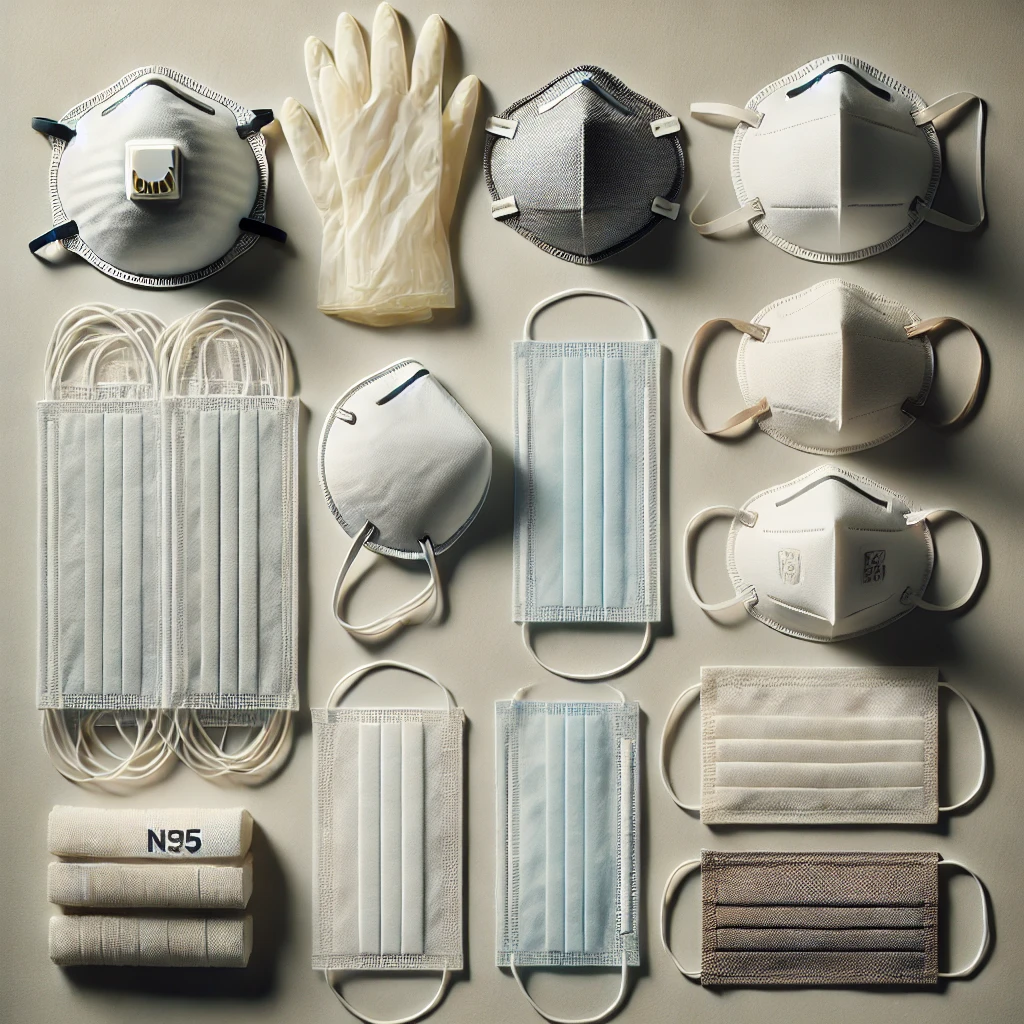
Personal Protective Equipment (PPE) has become a crucial part of our daily lives, especially since the COVID-19 pandemic. Among the many types of PPE available, PPE masks remain one of the most important tools for protecting ourselves and others from airborne hazards. But with so many options on the market, how do you choose the right one? This guide will help you understand what to look for when buying PPE face masks to ensure maximum protection.
1. Bacterial Filtration Efficiency (BFE): Why It Matters
When shopping for PPE masks, the Bacterial Filtration Efficiency (BFE) is the most important factor to consider. The BFE measures how effectively a mask filters out bacteria. Masks with a BFE rating of 98% are considered industry standard, offering strong protection against harmful bacteria and viruses.
A high BFE is crucial for preventing the spread of illnesses, especially in public or healthcare environments. When purchasing PPE masks, always check the BFE rating to ensure you’re getting a mask that provides adequate protection.
Key Points to Remember:
- BFE of 98% or higher is ideal for optimal protection.
- Masks with a lower BFE offer reduced protection.
2. Differential Pressure Test: Comfort vs. Filtration
Another essential test to consider is the Differential Pressure (DP) test, which measures how easily air flows through the mask. While masks with a higher DP value are more difficult to breathe through, they typically offer better filtration. Finding the right balance between breathability and protection is key.
When selecting a PPE mask, ensure it has passed the differential pressure test. This guarantees that the mask provides the necessary filtration and allows for comfortable breathing during extended wear.
Why Differential Pressure is Important:
- A higher DP value can indicate better filtration.
- Ensure the mask is breathable for comfort and daily use.
3. Layers: The Foundation of Effective Protection
Most PPE face masks come with multiple layers, typically 3, which provide a layered defense against airborne particles and viruses. Here’s a breakdown of the function of each layer:
- Outer Layer: Repels moisture and prevents external contaminants from entering.
- Middle Layer: Acts as the filtration barrier, trapping harmful bacteria and viruses.
- Inner Layer: Absorbs moisture from the wearer’s breath, keeping you comfortable.
A three-layer mask is generally considered to offer sufficient protection against airborne infections, making it a popular choice for both personal and professional use.
Why Layering Matters:
- Three layers provide comprehensive protection.
- The middle filtration layer is crucial for trapping harmful particles.
4. How to Verify the Quality of PPE Masks
When purchasing PPE masks, especially online, it’s important to verify the product’s quality and specifications. Always ensure the mask you choose has a high BFE and passes the necessary differential pressure tests. Shopping from trusted retailers ensures you’re getting a mask that meets the highest standards of protection.
At our store, we pride ourselves on offering only the best high-quality PPE masks. We carefully source our products to ensure they meet rigorous quality standards, so you can feel confident in your purchase.
Conclusion: Stay Protected with the Right PPE Masks
Choosing the right PPE mask is essential for safeguarding yourself and others. Look for masks with a high Bacterial Filtration Efficiency (BFE), pass the differential pressure test, and feature a reliable 3-layer construction. By following these guidelines, you can ensure that you’re getting the best protection.
Visit our website today for more information or to browse our full range of PPE face masks. Our masks are designed to offer superior protection, comfort, and quality so you can confidently face whatever challenges come your way.